






By Nandini Menon, Ed.D. Founder and Chief Education Officer, Cedar Hill Preparatory School
When we watch a skilled athlete sink a free throw or a musician’s fingers fly across piano keys, we often attribute their mastery to “muscle memory.” But the truth is far more fascinating: it’s not the muscles that remember—it’s the brain working at a nonconscious level, orchestrating complex movements with precision and grace.
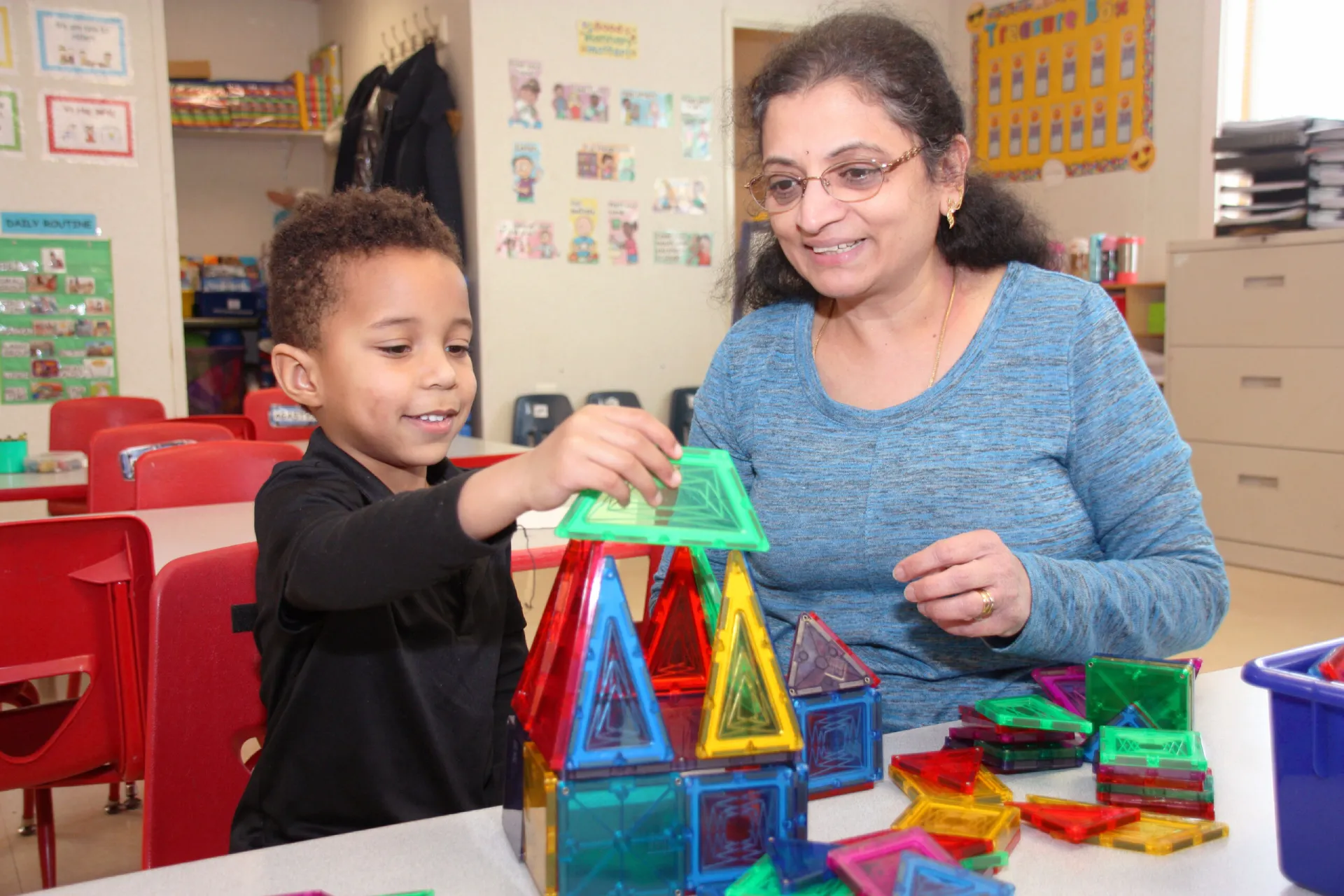
This same principle applies to learning in the classroom. Just as athletes train their bodies, students can train their brains to become more effective learners. At Cedar Hill Preparatory School, we understand that academic success isn’t just about what children learn—it’s fundamentally about how they learn.
The Hidden Foundation of Learning
Cognitive skills are the mental processes that allow us to take in, understand, organize, store, retrieve, and apply information. Think of them as the operating system that runs every learning application. These skills include:
- Attention (sustained, selective, flexible, and divided)
- Visual and Auditory Processing
- Sensory Integration
- Memory Systems
- Executive Functions (working memory, inhibitory control, and cognitive flexibility)
- Higher-Order Executive Functions (logic and reasoning)
Why Every Child’s Learning Profile Is Unique
Here’s what many parents don’t realize: each child has a unique learning profile with distinct cognitive strengths and weaknesses. One student might excel at visual-spatial reasoning while struggling with verbal processing. Another might have exceptional creative thinking but limited working memory capacity—the ability to hold and manipulate information mentally.
This diversity isn’t a flaw in the system; it’s a feature of human neurology. The key is recognizing these differences and providing targeted support to build cognitive capacity across all areas.
Beyond the Classroom: Cognitive Skills for Life
What makes cognitive skills truly remarkable is their universal application. The same executive functions that help a third-grader solve multi-step math problems also enable them to:
- Plan and organize a science fair project
- Navigate social situations with peers
- Manage their emotions during challenging moments
- Think strategically during team sports
- Break down complex tasks into manageable steps
These aren’t just “school skills”—they’re life skills that will serve students through college, career, and beyond.
The IB Advantage: Developing Cognitive Strength
At Cedar Hill Preparatory School, our International Baccalaureate (IB) curriculum is specifically designed to develop these critical cognitive capacities. The IB approach doesn’t just teach content; it systematically builds the thinking skills that underlie all learning.
Through inquiry-based learning, students develop:
- Critical thinking by analyzing multiple perspectives
- Creative problem-solving through open-ended challenges
- Metacognition by reflecting on their own learning processes
- Executive function through project-based work that requires planning, organization, and self-regulation
This comprehensive approach ensures that students aren’t just prepared for the next grade level—they’re building the cognitive foundation for lifelong learning success.
Building Better Brains: The Science of Cognitive Training
The exciting news from neuroscience research is that cognitive skills are not fixed. Just as physical training builds muscle strength, stamina, and coordination, cognitive training can build mental capacity at virtually any age.
The right kind of brain training can strengthen executive functions and other cognitive skills from early childhood through adulthood. This means that students who struggle with attention, memory, or processing speed can actually build these capacities with targeted support and practice.
What This Means for Your Family
As parents, you can support your child’s cognitive development by:
- Understanding their unique learning profile and recognizing both strengths and growth areas
- Providing experiences that challenge multiple cognitive skills simultaneously
- Creating environments that support focused attention and deep thinking
- Encouraging metacognition by asking children to reflect on how they learn best
- Celebrating effort and growth rather than just outcomes
In an era where standardized testing and academic benchmarks often dominate educational conversations, it’s crucial to remember that the capacity to learn is just as important as what is learned. By focusing on cognitive skill development, we prepare students not just for tests, but for the complex, unpredictable challenges they’ll face in an AI-augmented future.
Experience the Cedar Hill Difference
At Cedar Hill Preparatory School, we’re committed to developing the whole child—building not just knowledge, but the cognitive capacity that makes all learning possible. Our IB-inspired approach creates thinkers, problem-solvers, and lifelong learners who are prepared to thrive in whatever future they choose to create.
Join us for our Open House on Saturday, January 25, 2026, from 10:30 AM to 1:00 PM at 152 Cedar Grove Lane, Somerset, New Jersey. Discover how our PreK-8 program nurtures cognitive development alongside academic excellence, preparing students for success in school and in life.
For more information or to schedule a private tour, contact us at admissions@cedarhillprep.com or call 732-356-5400 ext. 67.
About the Author: Nandini Menon (Ed.D, Mind, Brain and Teaching) is Chief Education Officer at Cedar Hill Prep School in Somerset, NJ. With over 20 years of experience in mastery-based education, she has helped hundreds of students develop the critical thinking and problem-solving skills needed for success in top high schools and colleges.