






Practical insights for schools, parents, and peers to support children and adolescents
By Cedar Hill Prep Guidance Counselor, Ms. Anjalee Patel
Mental health includes our psychological, emotional, and social well-being. It not only affects how we behave and feel, but it also determines how we handle stress, get along with others, and make positive choices. Mental health is significant throughout our lives, from childhood to adulthood. Having good mental health is a state of overall well-being. Positive coping mechanisms and enjoying life impact one’s mental health. Having meaningful social interactions and a positive self-esteem enable one to cope with life’s challenges. Examples of mental health and well-being include having a supportive network of friends, exercising, eating healthy meals, and feeling good about yourself and your life.
Mental health problems in youth often go hand in hand with other behavioral and health risks. Youth with poor mental health may struggle with grades, health, and decision-making. Due to the fact that habits established in adolescence carry over into adulthood, it is of utmost importance to assist youth in developing good mental health.
The same prevention strategies that promote mental health, help prevent a range of negative experiences. Building strong bonds provides youth with a sense of connectedness. The feeling of connectedness can protect adolescents from poor mental health and other negative risk taking behaviors. Youth need to feel cared for and loved.
Schools can provide a safe and supportive environment which is critical to students’ well-being. They can link students to mental health services, train staff, integrate social emotional learning, and review discipline policies to ensure equity. Parents can spend time with their children, volunteer at their schools, communicate openly with teachers and administration, and talk honestly with their children about values and positive decision making.
What do healthy relationships look like in adolescence? Healthy relationships allow adolescents to safely express themselves in a respectful manner. This comfort level often comes from mutual trust and understanding. Compromise plays a key role in that each person should acknowledge different points of view and be willing to give and take. It’s important to fight fairly. Everyone argues at some point, but those who are fair avoid insulting remarks and try to come up with possible solutions.
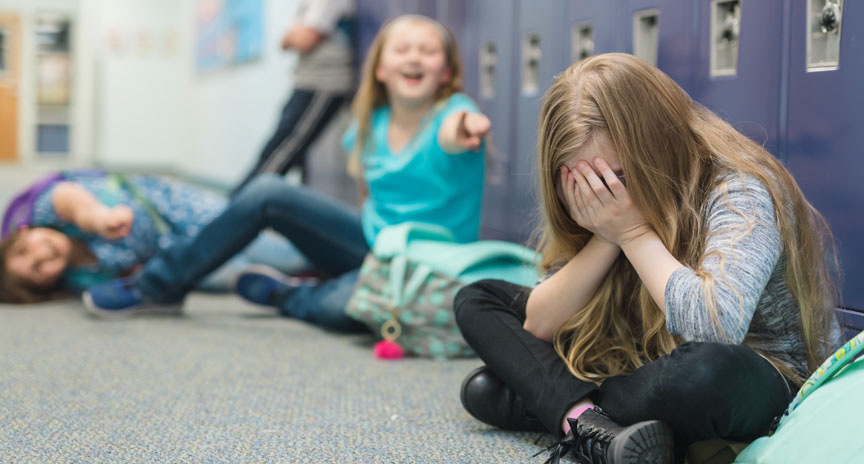
Bullying may have a serious effect on the mental health of a student. Students who are bullied exemplify signs of depression and a low sense of self-esteem. They tend to be more anxious and want to avoid the school atmosphere. Parents, teachers, counselors, and coaches are just some of the many adults who can be helpful in not only identifying signs of bullying and distress in children, but are key players in addressing and preventing bullying. There are many warning signs for bullying, although some children exhibit no warning signs. Some signs are loss of appetite or excessive eating, feelings of hopelessness and helplessness, frequent complaints of ailments such as headaches or stomach aches, having trouble falling asleep, and engaging in self-destructive behaviors.
It’s also important to look for signs of children who are bullies. Some signs are having friends who are also bullies, an increasingly aggressive personality and temperament, blaming others for their issues, getting into physical and verbal altercations, and worrying about their reputation. There are many reasons children don’t ask for help when being bullied. They may worry about the repercussions of the bully finding out. Sometimes handling it on their own makes the victim feel like he is stronger and more in control. Some children may feel that their peers will reject them, while others may be embarrassed that bullies may share information about them to cause humiliation, whether that information is genuine or fabricated.
The mental health of bystanders to bullying is also something that’s important to look at. Studies have shown that students who witness bullying at school showed an increase in depression and anxiety. This was evident regardless of whether they supported the bully or the victim. The stress the bystander feels may be due to guilt over not helping and fear of the chance of retaliation by the bully.
Bullying can affect mental, emotional, and social health from youth into adulthood. It is important to address bullying and its ramifications. Bullies look just like everyone else, but they don’t act like everyone else. A bully can make you feel like it’s your fault that they are picking on you, even though this isn’t true. Bullies never have a good reason for hurting other people. Often, they pick on anyone they think is different from them. All bullies hope that their victims won’t tell on them. Keeping it to yourself lets a bully know that it’s okay to continue hurting you. Bullies only pick on people they know they can hurt. Feeling good about yourself and liking yourself is probably the best way to stop them. The fewer bullies there are in our world, the better place it will be for all of us to live in.