
By: Anjalee Patel, Guidance Counselor, Cedar Hill Preparatory School
Walk into any school hallway, lunchroom, or playground, and you’ll witness it: conflict. Sometimes it’s loud and obvious. Other times, it simmers quietly beneath the surface. But make no mistake—conflict is inevitable when you bring together students from different backgrounds, with different temperaments, competing priorities, and still-developing emotional regulation skills.
The question isn’t whether conflict will happen. It’s whether our students know how to handle it.
Understanding the Roots of Student Conflict
In my years as a guidance counselor, I’ve seen student conflicts stem from a variety of sources. Bullying and harassment create hostile environments that affect not just the targeted student but the entire classroom dynamic. Academic competition—the constant drive for better grades, higher test scores, or social status—can turn peers into rivals rather than collaborators.
Cultural differences in values and beliefs add another layer of complexity. What seems normal or respectful in one student’s home may be perceived differently by another. Frustration with schoolwork, overwhelming social demands, or the pressure of balancing extracurricular activities can leave students on edge, more prone to snapping at classmates over minor issues.
Perhaps most common, though, are conflicts rooted in simple miscommunication. A misunderstood comment. An assumption about intent. A quick accusation instead of a curious question. These small moments, left unaddressed, can escalate into lasting rifts between students.
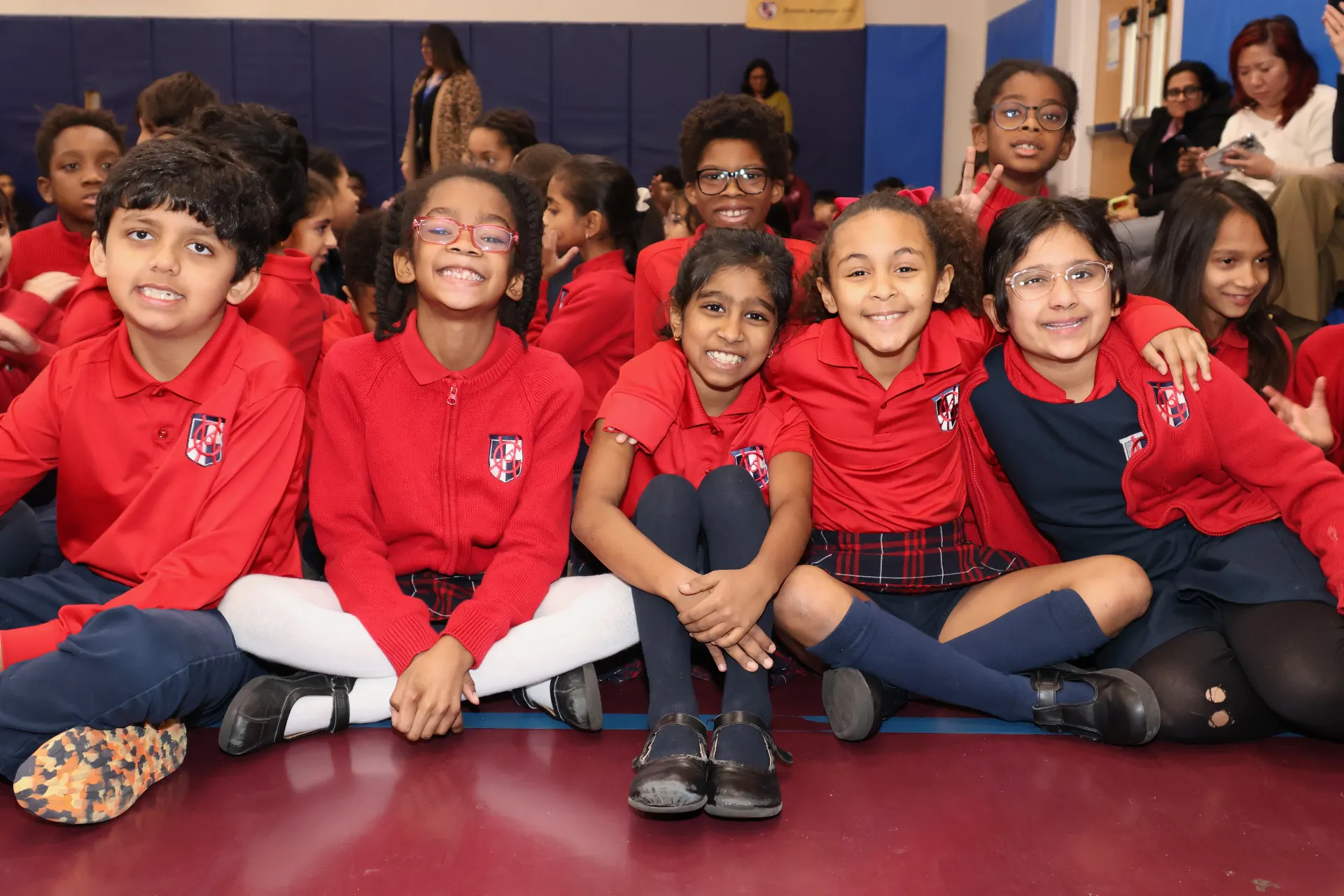
The Case for Teaching Conflict Resolution
So why invest time teaching conflict resolution when there’s already so much curriculum to cover? Because the skills students learn through conflict resolution extend far beyond managing a disagreement with a classmate.
When students learn to resolve conflicts constructively, they develop emotional intelligence—the ability to recognize and manage their own emotions while understanding others’. They build resilience, learning that disagreements don’t have to end relationships and that difficult conversations can actually strengthen connections.
Conflict resolution fosters empathy. It requires students to step outside their own perspective and genuinely try to understand where someone else is coming from. It sharpens communication skills, teaching students to express their needs clearly while listening actively to others.
The result? More positive relationships. A more peaceful learning environment. Students who approach problems with a solution-oriented mindset rather than defensiveness or avoidance.
Most importantly, these skills prepare students for the collaboration they’ll encounter throughout their adult lives—in college group projects, workplace teams, community organizations, and personal relationships.
Building Skills That Last a Lifetime
At Cedar Hill Prep, we integrate social-emotional learning into our IB curriculum because we believe that developing strong character is just as important as academic achievement. Our students learn that conflict doesn’t have to lead to violence, broken friendships, or lasting animosity. It can be an opportunity for growth, understanding, and a deeper connection.
When students leave our school equipped with conflict resolution skills, they leave as more confident, well-adjusted individuals ready to navigate the complexities of human relationships. They become the kind of people who can disagree respectfully, repair relationships after missteps, and work collaboratively even when tensions arise.
That’s not just good education. That’s preparation for life.
Anjalee Patel is the Guidance Counselor at Cedar Hill Preparatory School in Somerset, New Jersey, where she supports students’ social-emotional development alongside their academic growth.