









As the school year comes to a close, many families look forward to a well-earned break from early alarms, homework assignments, and busy schedules. Summer offers students an opportunity to rest, recharge, and enjoy more freedom. However, it also presents a unique challenge for parents: how can children continue learning and growing without feeling like they are still in school?
The answer lies in finding balance.
Research consistently shows that students can experience learning loss during extended breaks from school. While summer vacation is important for relaxation and mental well-being, maintaining some level of intellectual engagement can help students return to the classroom feeling confident and prepared. The good news is that summer learning does not need to resemble a traditional school day.
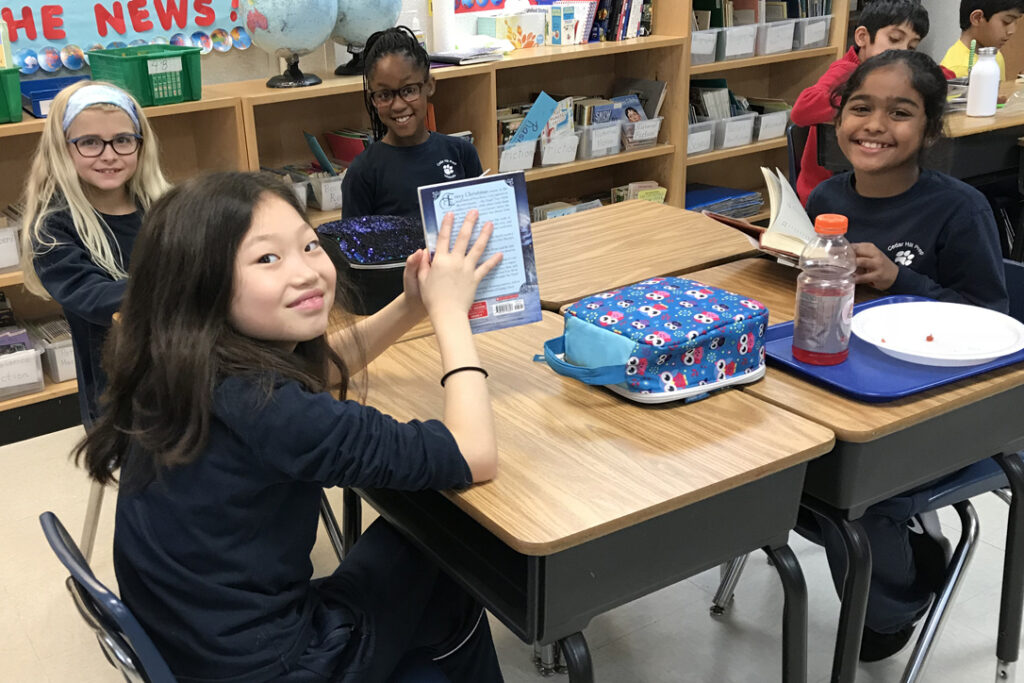
Reading is one of the simplest and most effective ways to keep young minds active throughout
the summer months. Whether a child prefers chapter books, graphic novels, biographies, or
magazines, regular reading helps strengthen vocabulary, comprehension, and critical thinking
skills. Allowing children to choose books that match their interests can make reading feel less
like a requirement and more like an enjoyable activity.
Parents can also encourage learning through everyday experiences. A trip to the grocery store
can become an opportunity to practice budgeting and math skills. Cooking together can introduce
measurements, fractions, and scientific concepts. Family vacations provide opportunities to learn
about history, geography, culture, and language. Even a simple nature walk can spark curiosity
about plants, animals, and the environment.
Summer is also an ideal time for students to explore interests that may not fit into their academic
schedules during the school year. Whether it is painting, coding, music, sports, photography, or
gardening, these activities encourage creativity, problem-solving, and personal growth. They also
allow children to develop confidence by pursuing something they genuinely enjoy.
Equally important is unstructured time. In today’s busy world, children are often accustomed to
having every hour planned. Summer provides a chance for them to slow down, use their
imaginations, and learn how to entertain themselves. Independent play, creative projects, and
time spent outdoors all contribute to healthy development.
Parents may also consider setting small goals with their children for the summer. These goals do
not need to be academic. A child might aim to learn how to ride a bike, master a new recipe, read
ten books, or volunteer in their community. Setting and accomplishing goals helps build
responsibility, perseverance, and self-confidence.
Technology can be both helpful and challenging during the summer months. Educational apps,
virtual museum tours, and online learning platforms can support continued growth. However,
maintaining healthy screen-time habits remains important. Encouraging a balance between
digital activities and real-world experiences can help children stay engaged while avoiding
excessive screen use.
Summer is also an opportunity to strengthen family relationships. Shared experiences often
create lasting memories and valuable learning opportunities. Family game nights, community
events, day trips, and volunteer activities all encourage communication, teamwork, and
connection.
For younger students, maintaining some daily structure can be beneficial. While summer
schedules do not need to be rigid, establishing routines around reading, physical activity, and
family time can help provide consistency. Older students may benefit from taking greater
ownership of their schedules and learning goals, helping them develop independence and
time-management skills.
Physical activity should remain a priority as well. Outdoor play, sports, swimming, hiking, and
recreational activities support both physical and mental health. Exercise has been linked to
improved focus, mood, and overall well-being, making it an important part of a balanced
summer routine.
As families prepare for summer break, it is important to remember that learning extends far
beyond the classroom. Some of the most valuable lessons children learn come through
experiences, relationships, exploration, and discovery. Summer offers a unique opportunity to
nurture curiosity, creativity, and personal growth in ways that complement traditional academics.
The goal is not to replicate the school year at home. Instead, it is to create an environment where
children can continue learning naturally while also enjoying the freedom and relaxation that
summer provides.
When students return to school in the fall, they will bring with them more than academic
knowledge. They will return with new experiences, stronger skills, greater confidence, and
memories that help shape who they are becoming. By embracing both learning and leisure,
families can help ensure that summer is not only enjoyable but also meaningful.