








Today’s students are arguably more connected than ever before. With smartphones, social media and instant messaging, young students can communicate with friends and family at the touch of a button. Yet despite this constant connectivity, many educators, parents and researchers are asking the same question: Are young people actually becoming less connected to one another?
A student opinion article published in The New York Times cited a 2021 report that found nearly half of children in the United States had a smartphone by age 10. While smartphones can offer important benefits, including safety, educational resources and easier communication, growing evidence suggests the downsides outweigh the benefits.
The American Academy of Pediatrics cites Common Sense Media’s finding that tweens between the age of 8 and 12 average about 5 hours and 33 minutes of screen media per day — marking a significant jump from early childhood data.
Recent research has linked early smartphone usage to higher rates of depression, poor sleep and obesity among young people. It further suggests that increased screen time may replace activities that are essential for healthy development, including physical exercise, face-to-face conversations and adequate rest.
The challenge of building meaningful relationships became even more apparent during the COVID-19 pandemic. For months, schools across the country shifted to virtual learning, sports seasons were canceled and social gatherings disappeared almost overnight. While technology allowed students to continue learning and stay in contact with friends, it could not fully replace the benefits of in-person interaction.
For many young people, the pandemic disrupted important stages of social development. Students missed opportunities to collaborate with classmates, participate in extracurricular activities and develop communication skills through everyday interactions. Some educators have noted that students returning to classrooms after the pandemic appeared less comfortable participating in discussions, working in groups or forming new friendships.
Schools play a critical role in helping students rebuild those connections. Clubs, sports teams, performing arts programs and academic competitions provide opportunities for students to interact with peers who share their interests. These activities encourage teamwork, communication and a sense of belonging that cannot always be replicated online.
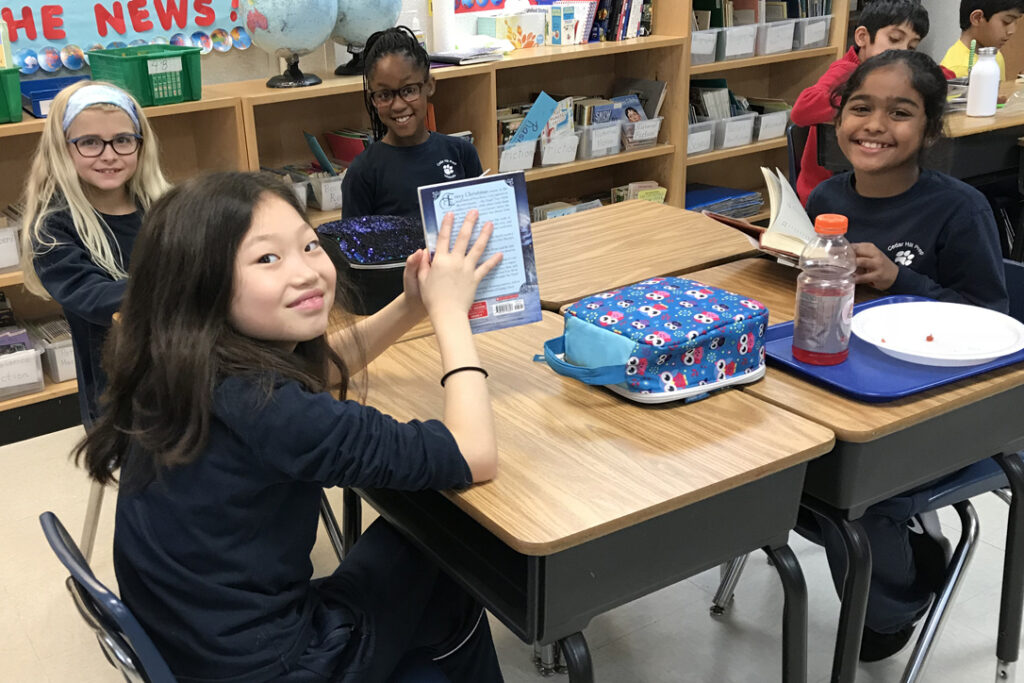
At Cedar Hill Prep, students have opportunities to participate in a variety of extracurricular activities that help foster community beyond the classroom. Whether through athletics, student leadership, academic competitions or service projects, students learn how to collaborate, support one another and build lasting relationships.
Research supports the idea that participation in extracurricular activities is associated with stronger academic performance, greater school engagement and a stronger sense of belonging.
Technology will continue to be an important part of modern life, and smartphones are unlikely to disappear from students’ daily routines. The goal is not to eliminate technology but to use it thoughtfully. By encouraging meaningful face-to-face interactions, participation in extracurricular activities and healthy digital habits, families and schools can help students build the strong relationships that are essential for personal growth and well-being.
In an increasingly digital world, connection remains one of the most important skills students can develop. While technology may help us stay in touch, true community is built through shared experiences, conversations and relationships that extend beyond a screen.