






The skill that shapes how children listen, connect, and care — here’s how we nurture it every day at CHP.
There are moments when children are learning far more than reading, writing, or math in every classroom and home. They’re learning how to listen, respond, and care. At the center of these moments is empathy — a foundational life skill that shapes how children navigate the world around them and build relationships.
What is empathy? Empathy is the ability to recognize, understand, and respond to another person’s feelings. It involves taking on various perspectives and making connections. When a child says, “I see you’re upset” or “Would you like to play with me?” they are practicing empathy in action.
Empathy can be related to other concepts, but it is important to distinguish it from them. Sympathy is acknowledging someone’s hardship without fully stepping into their experience. Emotional management, also known as self-regulation, is the ability to manage one’s own feelings. Students who are better able to understand and manage their own emotions while interacting constructively with others will be better learners. All of these skills are closely connected — a child who can calm and soothe themselves is far more capable of tuning into the emotions of others.
Empathy provides a significant role in communication. Children who develop empathy tend to become better listeners. They’re more thoughtful in their responses and more aware of how their words affect others. They are also more open to various perspectives. These skills lead to more powerful relationships and a more positive classroom environment.
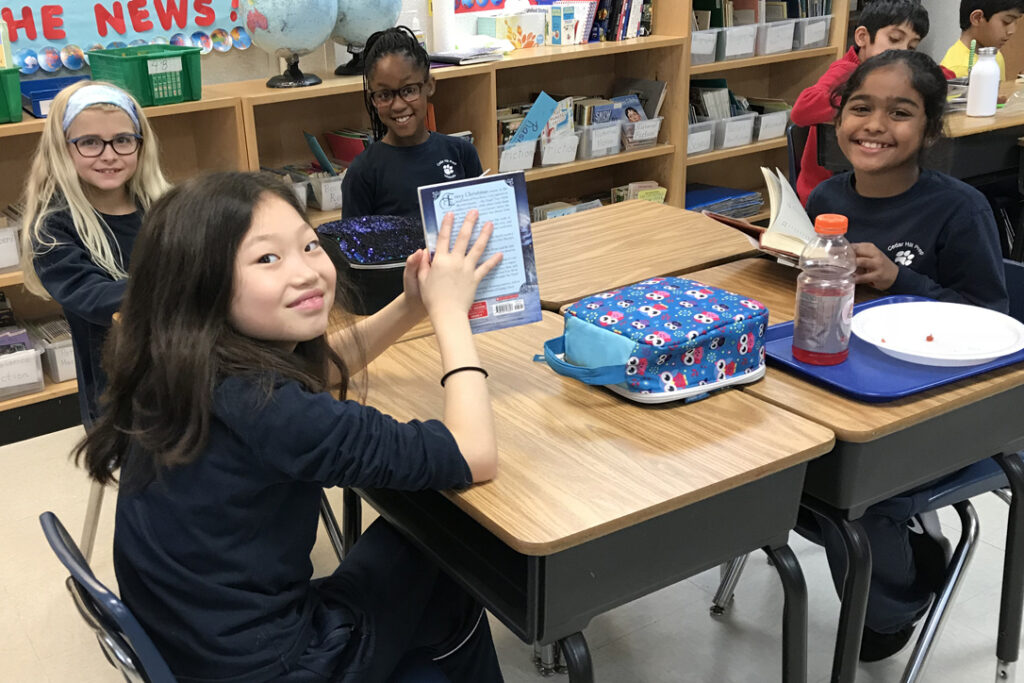
As children grow, their ability to understand and express empathy changes. In the early years, empathy is learned primarily through modeling and direct guidance. Young children benefit from hearing adults label emotions — “She looks upset. What do you think happened?” Story time is also a valuable teaching tool, allowing children to explore how characters feel and why.
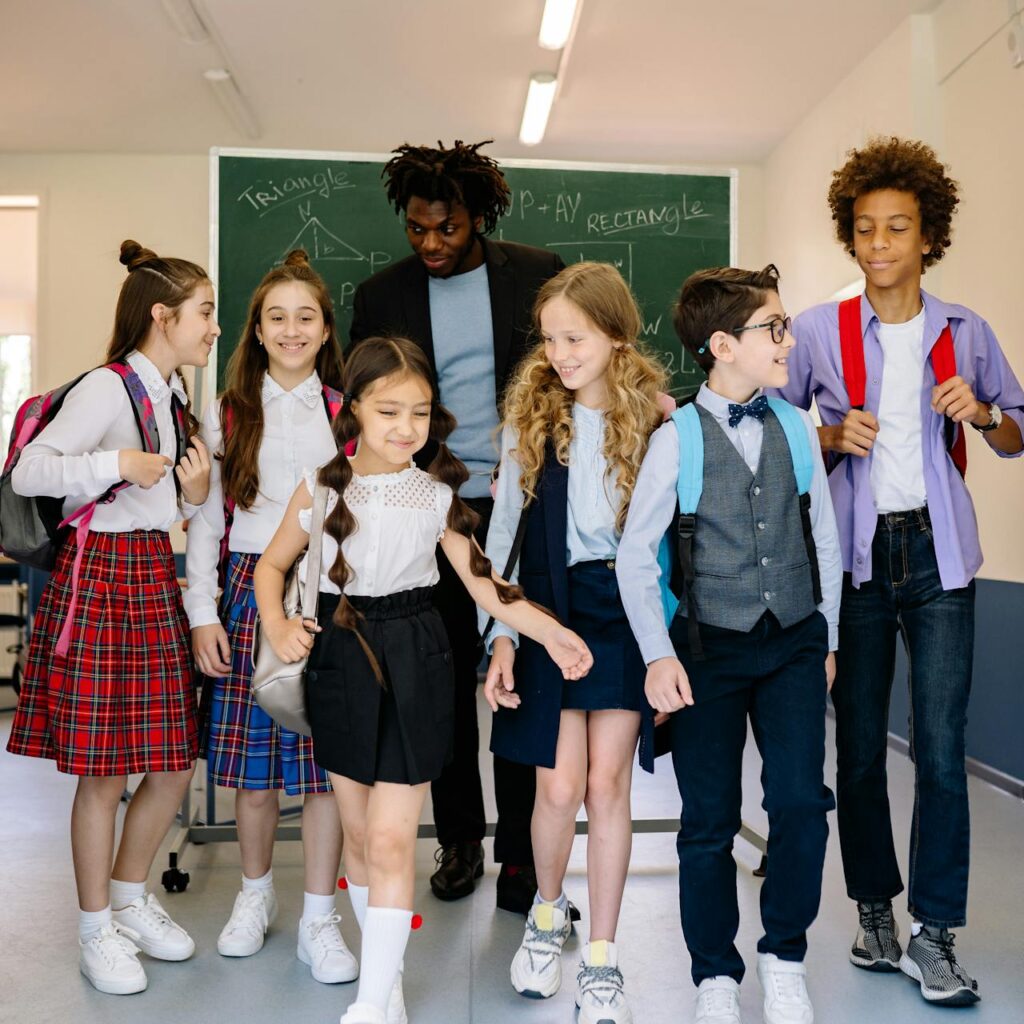
By middle school, students are capable of more complex emotional reasoning. They can consider multiple viewpoints, engage in meaningful discussions, and reflect on social dynamics. This is where peer mediation and guided conversations are especially effective in strengthening empathy and resolving conflict.
Both teachers and parents play essential roles in nurturing empathy. They can model empathetic language, use everyday conflict as teachable moments, and validate students’ and children’s emotions. Children learn empathy by observing it — when parents and teachers respond thoughtfully to others’ feelings, children internalize those behaviors. This includes body language, tone, and how conflict is handled.
Together, as parents and educators, we have the opportunity to raise not only kind children, but compassionate, confident individuals who carry empathy with them into every part of their lives.
Anjalee Patel is the Guidance Counselor at Cedar Hill Preparatory School, Somerset, NJ.