










By: Anjola Odukoya, Sophomore, Boston University
Anjola Odukoya is a sophomore at Boston University studying Public Relations with minors in Business Administration and Management and International Relations. At BU, Anjola is currently an Opinion Editor at The Daily Free Press, the leading independent student-run newspaper, and a rising Managing Editor for the Spring ’26 semester. She graduated from Cedar Hill Prep School in Somerset, NJ, in 2020 and from Phillips Academy Andover in 2024. She is also a contributing writer for the Cedar Hill Prep Alumni blog.
Living Black History: Why February Is Only the Beginning
As February comes to a close, so does Black History Month — at least on the calendar. But if this month has taught us anything, it is that Black history is not confined to 28 days. It is living, breathing, and unfolding around us every day.
The Meaning and Origins of Black History Month
Black History Month was founded by Dr. Carter G. Woodson in 1926 to ensure that the achievements of Black Americans were formally recognized and taught. What began as a week-long celebration eventually expanded into a month-long observance. Yet the spirit of the month calls us to something deeper than acknowledgment — it calls us to education and action.
Why Representation Matters for Children
For children especially, exposure to Black historical figures is not simply about diversity. It is about possibility.
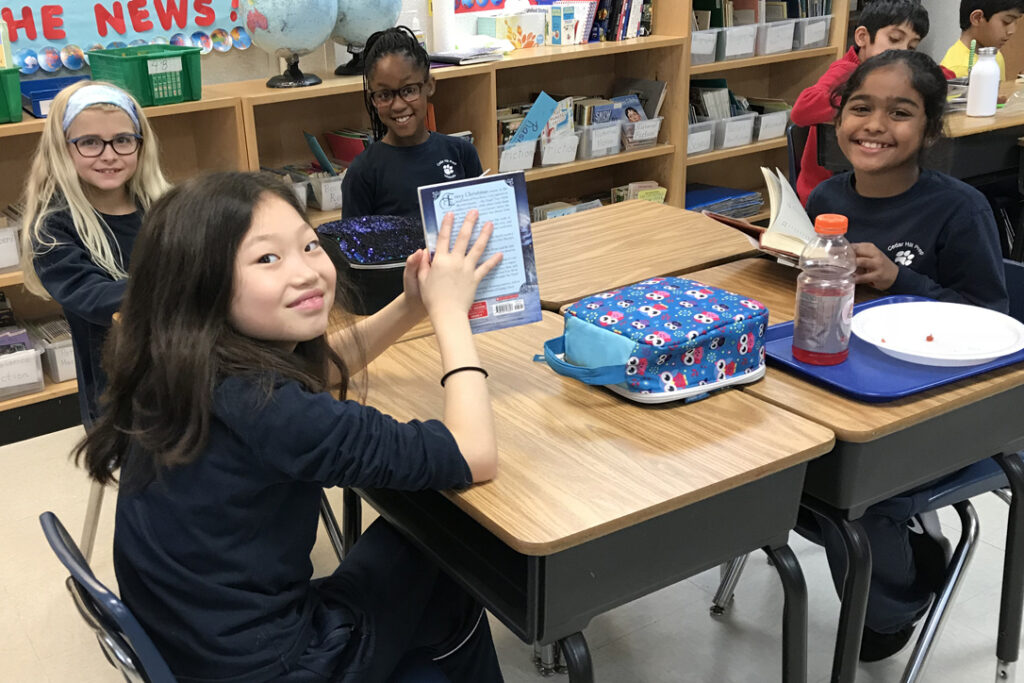
When students learn about figures like Harriet Tubman, Thurgood Marshall, Katherine Johnson, or Mae Jemison, they are not just memorizing names and dates. They are seeing models of courage, intellect, innovation, and perseverance. Representation shapes imagination. A child who sees someone who looks like them in a textbook, on a classroom wall, or in a storybook begins to internalize a powerful message: I belong in history too.
Teaching Empathy Through Black History
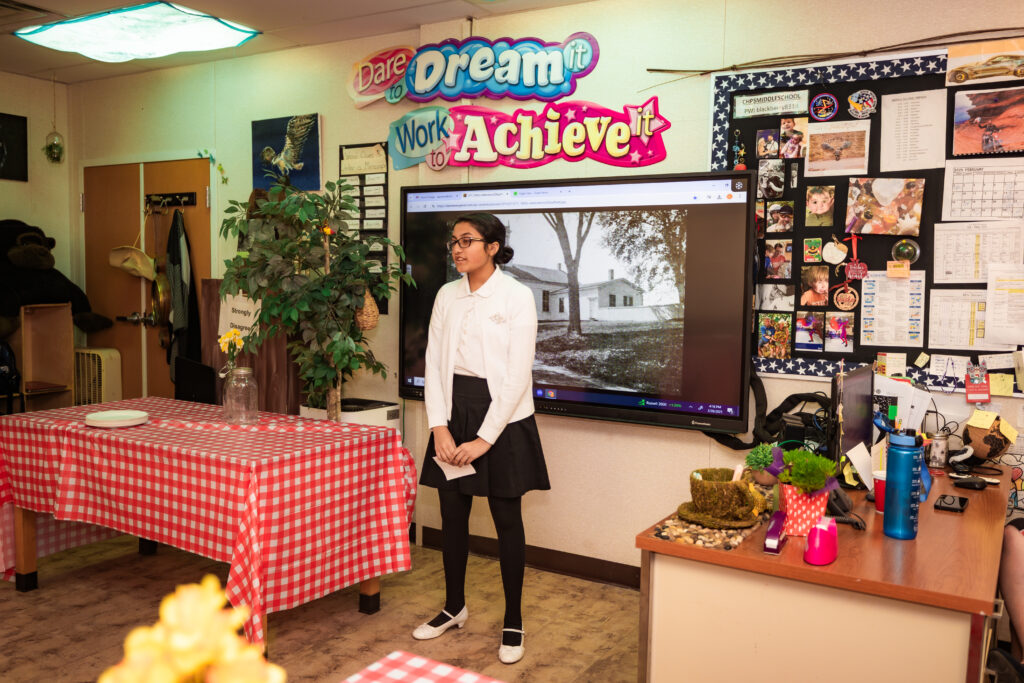
But equally important is introducing all children — regardless of background — to Black excellence. Education builds empathy. When students understand the struggles and triumphs of others, they develop a broader, more compassionate worldview. Black history is American history. It is the story of invention, activism, art, music, law, science, and leadership that has shaped our nation.
Keeping Black History Alive Beyond February
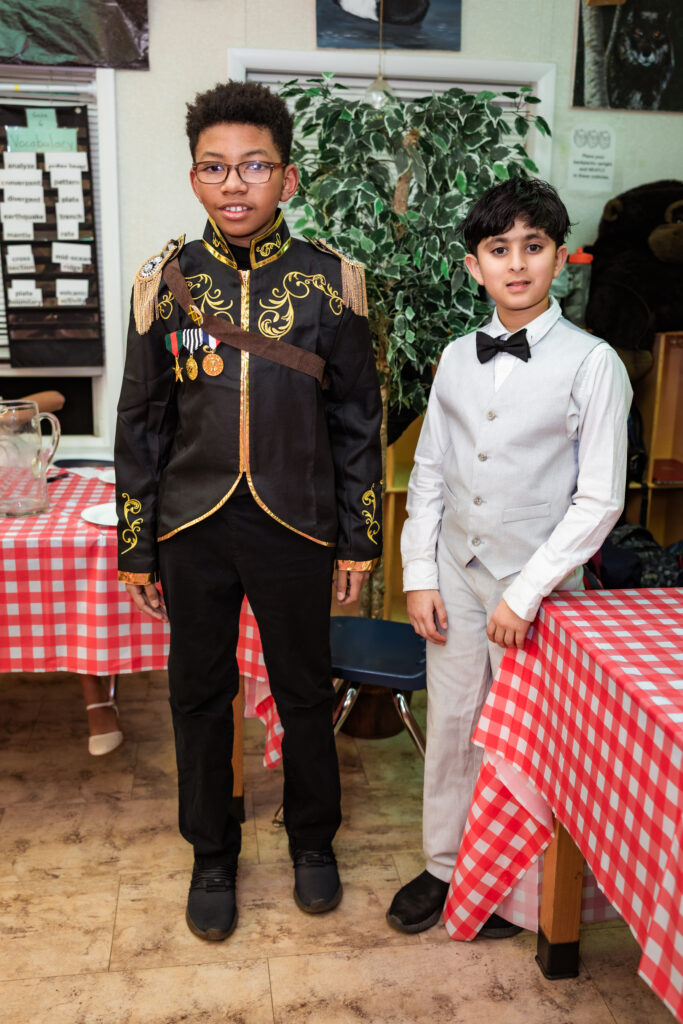
Living Black history means recognizing that we are surrounded by history-makers today. It means honoring local leaders, entrepreneurs, teachers, and community members who are building legacies in real time. It means encouraging students to ask questions, to explore primary sources, to read biographies, and to connect past movements to present conversations.
Schools play a crucial role in this effort. When classrooms incorporate diverse voices throughout the year — not just in February — students receive a more accurate and complete understanding of the world. They learn that history is layered and complex, and that progress often comes from ordinary people who dare to challenge injustice.
As we move beyond this month, let us not “close the book” on Black history. Instead, let us commit to weaving these narratives into everyday learning. Let us encourage children to read widely, think critically, and celebrate the contributions of those whose stories were once overlooked.
Black History Month may end, but honoring Black excellence, resilience, and innovation is a year-round responsibility. In doing so, we do more than remember the past — we empower the future.