







The skills students develop today may matter more than the jobs they prepare for tomorrow.
What will your child be when they grow up?
It is a question parents have asked for generations. But in today’s rapidly changing world, perhaps there is a better question to ask:
What will your child be prepared to do when the world of work changes?
Artificial intelligence is transforming industries, technology is creating new career paths and many of the jobs today’s elementary and middle school students will eventually hold may not even exist yet.
That uncertainty can be unsettling. But it also presents an opportunity to rethink what it means to prepare students for the future.
Pulitzer Prize-winning journalist Jodi Kantor recently explored this question after speaking with college students entering an uncertain job market. The students asked her how they could find meaningful work in an environment that was changing so quickly.
Her answer offers an important lesson for educators and families: Rather than trying to predict exactly which careers will be available in 10 or 20 years, we should help students develop the skills, curiosity and confidence to adapt to whatever comes next.
Preparing Students for the Future
Kantor describes meaningful work as the intersection of two ideas: craft and need.
Craft is the ability to develop expertise and human skill—to become genuinely good at something. Need is the ability to recognize a problem in the world and use those skills to help solve it.
That idea has important implications for education.
Are students being given enough opportunities to discover what they are good at while also learning to recognize the needs of the world around them?
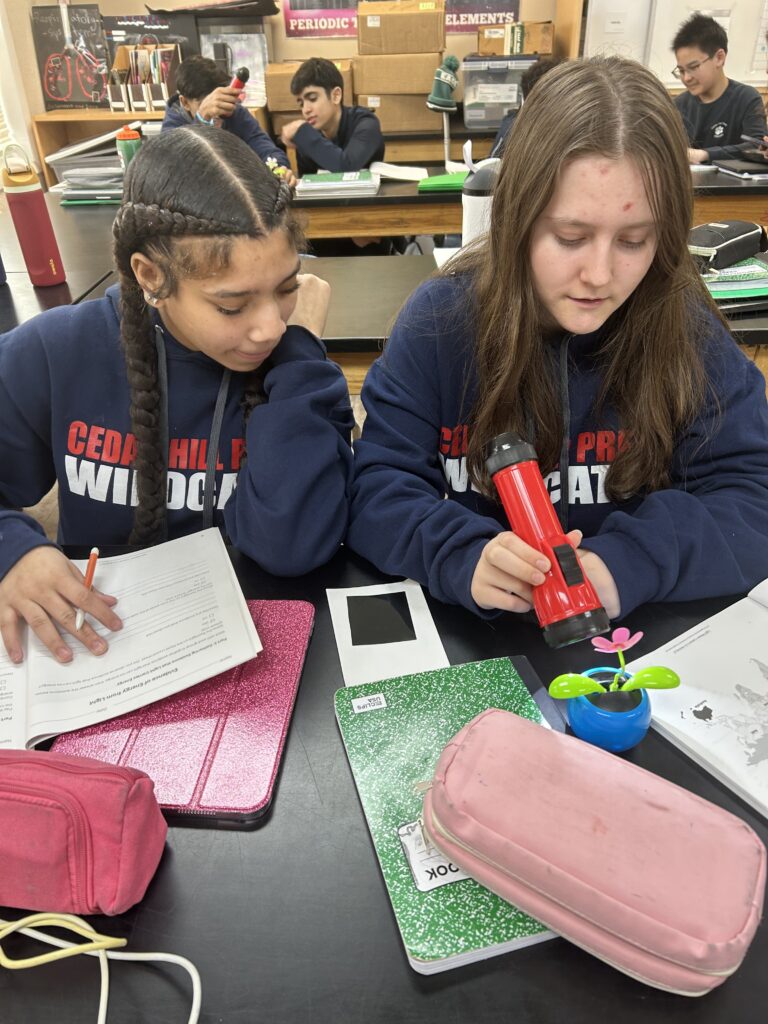
Future-ready education is not simply about preparing students for a specific career. It is about helping them become adaptable thinkers who can navigate change, solve problems and continue learning throughout their lives.
That means moving beyond simply asking students to memorize information and giving them opportunities to ask questions of their own.
Why does this problem exist?
Who is affected by it?
What evidence do we have?
What could we do differently?
What happens if our first solution doesn’t work?
These questions are at the heart of inquiry-based learning, where students investigate, experiment, collaborate and reflect. The goal is not just to find the “right” answer, but to understand how to approach a problem when there may not be one obvious solution.
The Human Skills That Matter
The rise of artificial intelligence has understandably created concerns about the future of work. But it has also highlighted the importance of distinctly human skills.
Technology can process information and automate tasks. But students still need to know how to communicate with empathy, collaborate with others, think critically, make ethical decisions, lead and adapt.
These skills are sometimes referred to as “soft skills,” but there is nothing soft about them. They are foundational skills that can help students succeed in almost any environment.
A student who learns to listen carefully, work through disagreement, present an idea, accept feedback and adapt when a project doesn’t go as planned is building capabilities that can last far beyond the classroom.
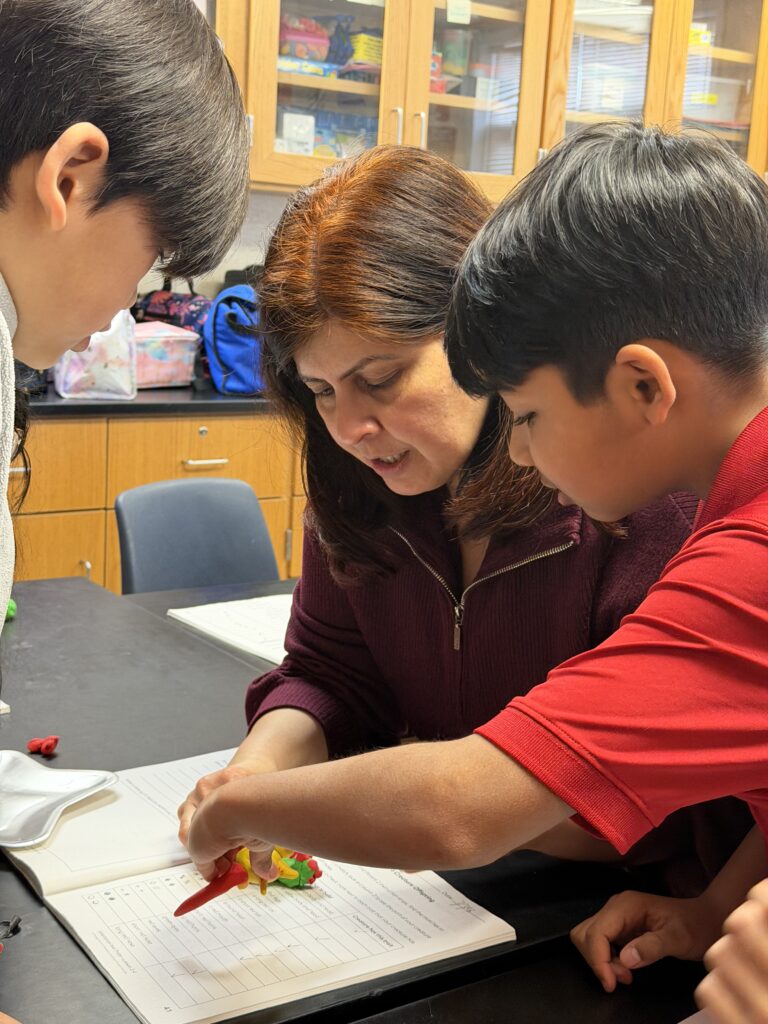
The tools students use will continue to change. The ability to think critically, communicate clearly and work effectively with others will remain valuable.
Giving Students Room to Discover Their Strengths
Children should not be expected to know exactly what they want to do with their lives. Instead, schools can give them opportunities to explore.
A child might discover an interest in robotics after designing a machine that doesn’t work the first time. Another may find a passion for writing after interviewing someone in the community. A student who struggles with traditional classroom learning may thrive while working outdoors, designing a project or collaborating with classmates.
These experiences matter.
They allow students to discover what interests them while developing the persistence and confidence that come from learning through experience.
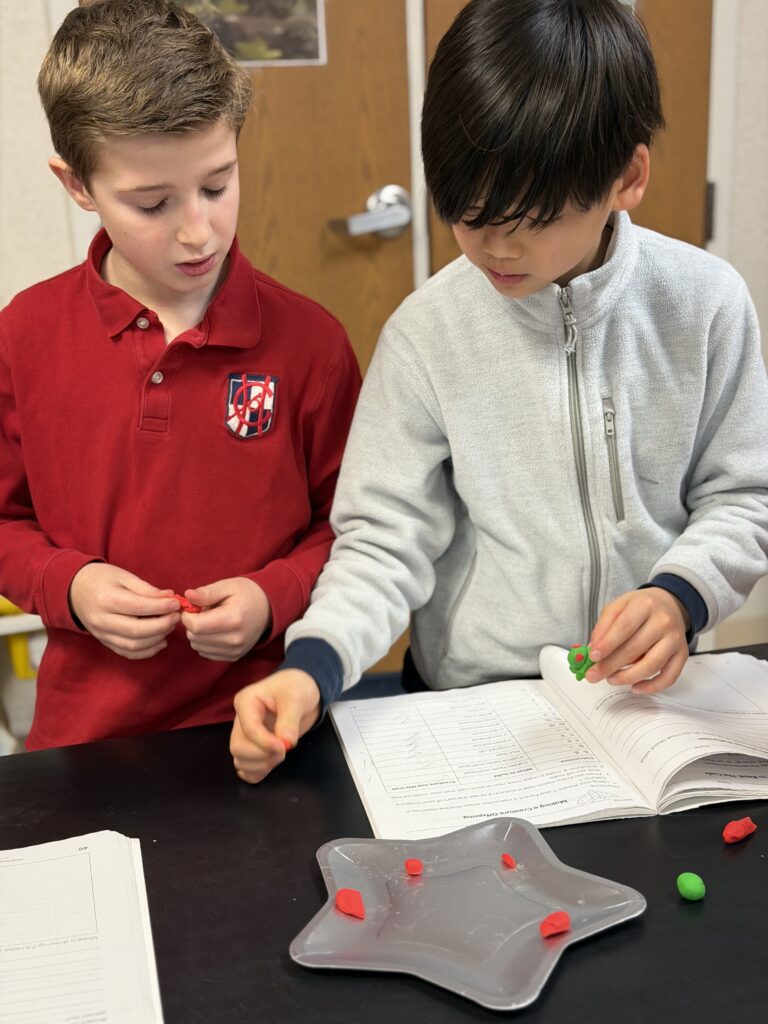
At Cedar Hill Preparatory School, opportunities for hands-on and experiential learning are designed to connect classroom learning with the world beyond the school walls. Through STEM and robotics, outdoor learning and experiences with the New Jersey Institute for Nature, students are encouraged to explore, ask questions and apply what they learn to real-world situations.
This approach reflects a broader shift in education toward helping students become active participants in their own learning.
Looking Beyond “What Do You Want to Be?”
The second part of Kantor’s idea—“need”—may be just as important as developing a craft.
Young people are often asked what they want to be when they grow up. Perhaps we should also ask:
What problems do you want to help solve?
That simple shift encourages students to look outward.
They might notice that their community needs more sustainable solutions. They may become interested in how technology can improve accessibility, how innovation can protect the environment or how creative thinking can strengthen communities.
When students learn to observe the world around them, they begin to recognize opportunities to contribute.
That is where education and career preparation intersect.
The goal is not to tell a 10-year-old what career they should pursue. It is to help that child develop the curiosity to notice a problem, the skills to investigate it and the confidence to imagine a solution.
Preparing Students for Possibility
No one can say with certainty what the workplace will look like a decade from now. The careers today’s students eventually pursue may not yet have names.
That uncertainty should not discourage them. Instead, it should encourage educators and families to broaden the definition of what it means to prepare a child for the future.
The strongest preparation may not be predicting the next “hot” career. It may be helping students become lifelong learners who can adapt when the world changes.
It means giving them the confidence to try something unfamiliar, the resilience to learn from failure, the creativity to imagine a different solution and the empathy to understand why their work matters.
Perhaps the question we should be asking today’s students is not simply, “What do you want to be when you grow up?”
Instead, we might ask:
“What kind of person do you want to become—and what do you hope to contribute to the world?”
The future of work may be uncertain. But the opportunity to prepare thoughtful, capable and curious young people for that future is one we have today.