








Beyond Bake Sales: The Shift From Parental Involvement to True Partnership
Somerset, NJ — When schools talk about “parental involvement,” they often mean attendance at back-to-school nights, volunteering at fundraisers, or showing up for parent-teacher conferences. But education research is revealing a crucial distinction: parental involvement is not the same as family engagement—and the difference significantly impacts student success.
The Research Is Clear
A groundbreaking study from Harvard University examined the impact of frequent, meaningful teacher-family communication on student outcomes. The results were striking: students whose families received consistent communication from teachers showed notably higher homework completion, improved classroom participation, and fewer behavioral challenges. This wasn’t correlational—it was a randomized controlled trial, the gold standard in education research, demonstrating that structured teacher-family partnerships can meaningfully influence student success.
Source: Kraft, M.A., & Dougherty, S.M. (2013). The Effect of Teacher-Family Communication on Student Engagement: Evidence from a Randomized Field Experiment. Journal of Research on Educational Effectiveness, 6(3), 199-222. Link
Research from the Northwest Evaluation Association (NWEA) shows that effective family engagement goes far beyond traditional parental involvement. While schools often expect parents to attend events and conferences, true engagement requires collaborative partnerships where families are valued as equal partners in educational decisions. The challenge is that many schools continue to operate under outdated models, which may not account for real barriers families face, such as work schedules, language differences, or other systemic constraints.
Source: Hashim, A.K., Johnson, R., & Perera, R. (2024). Family engagement as a long-term strategy for continued COVID recovery. Northwest Evaluation Association. Link
What True Family Engagement Looks Like
Real family engagement means:
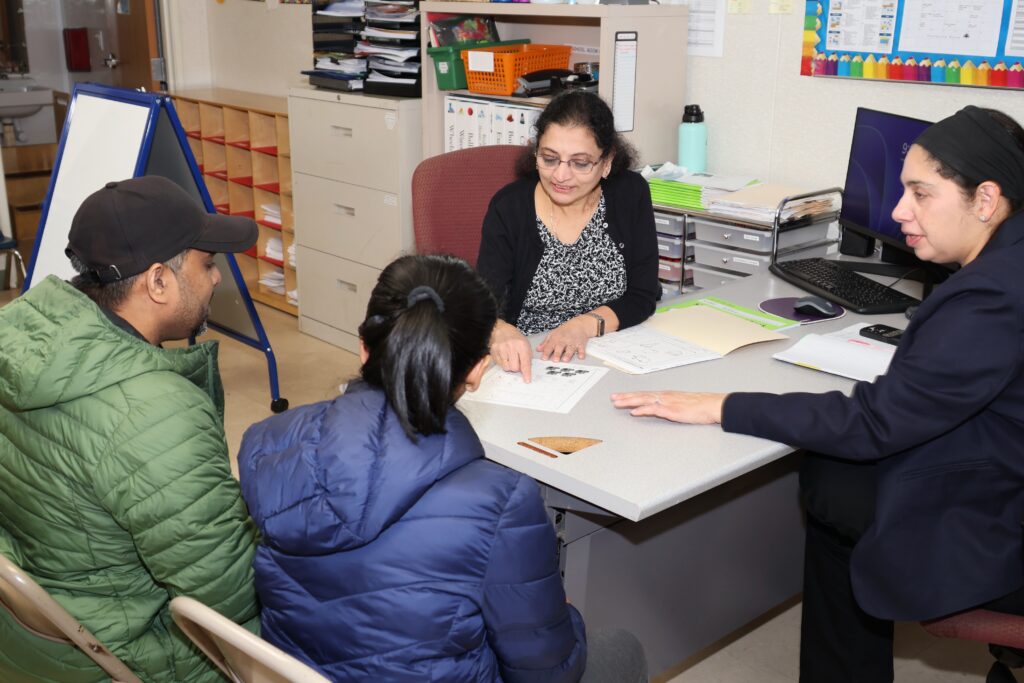
● Regular, substantive communication about student learning—not just grades, but how a child thinks, what challenges they’re facing, and what progress they’re making
● Collaborative goal-setting where parents and teachers work together to support the child’s development
● Bidirectional information flow where teachers learn from families about their child’s strengths, interests, and needs
● Partnership in educational decisions that affect the child’s learning experience
This level of engagement requires teachers to have the time and structural capacity to know each child as an individual learner.
The Cedar Hill Prep Difference
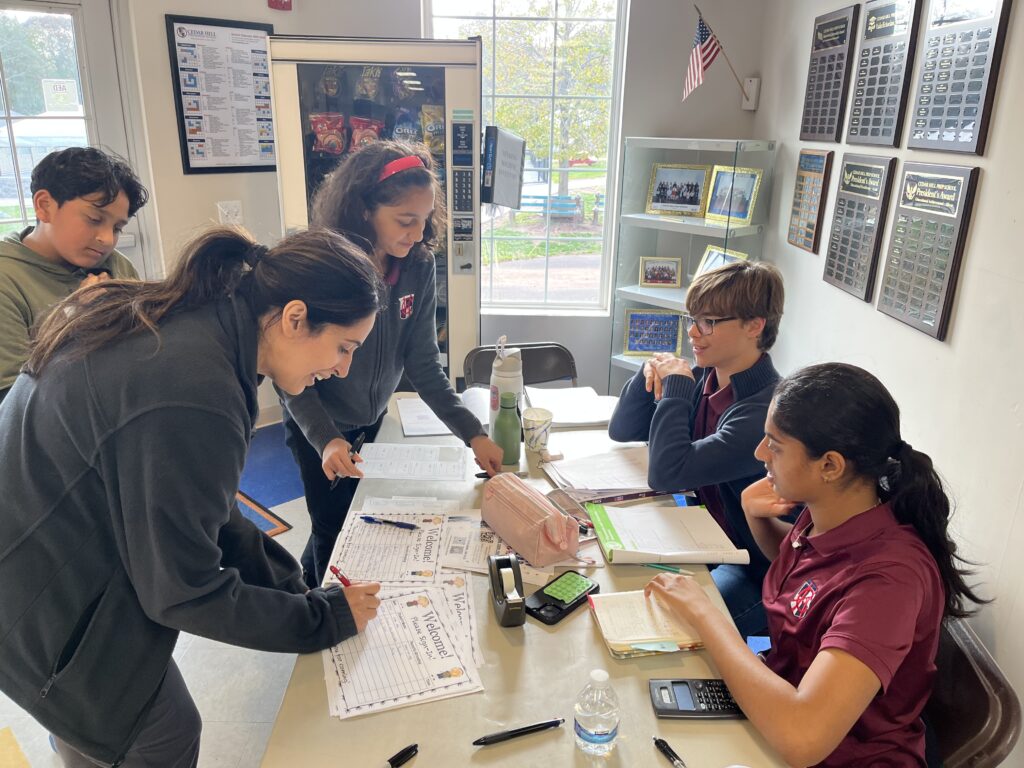
At Cedar Hill Preparatory School in Somerset, New Jersey, class sizes of 15 students make authentic family engagement not just possible, but inevitable. Teachers don’t just know their students’ names—they understand how each child learns, what motivates them, what challenges they face, and how to partner effectively with each family.
The school’s International Baccalaureate (IB) Primary Years Programme framework is built on family collaboration, recognizing that learning happens in partnership between school and home. Small class sizes allow teachers to maintain the frequent, meaningful communication that research shows dramatically improves student outcomes.
Questions to Ask When Choosing a School
If you’re evaluating schools for your child, consider asking:
● How will you communicate with me about my child’s learning? Look for answers that go beyond “quarterly report cards” or “email updates.”
● How does your class size enable family partnership? Understanding the teacher-to-student ratio can help you gauge whether meaningful individual partnerships are feasible.
● How are families involved in understanding their child’s learning goals? True engagement means collaboration on what your child is working toward, not just being told what was achieved.
● What opportunities exist for two-way communication? Partnership means information flows both directions—schools learn from families, not just inform them.
● How does your school remove barriers to family engagement? Look for schools that think creatively about when and how they connect with families.
The Bottom Line
Family engagement isn’t just a nice idea—it’s a research-backed strategy that significantly improves student outcomes. But it requires the right conditions: teachers who have the capacity to know each student deeply, structures that enable regular communication, and a culture that values families as true partners.
As you consider educational options for your child, look beyond the marketing language about “valuing families” and ask the hard questions about whether a school’s structure actually enables the kind of partnership that research shows matters.
Because when it comes to family engagement, the difference between involvement and partnership isn’t semantic—it’s the difference between parents who are informed about their child’s education and parents who are genuinely empowered to support it.
About Cedar Hill Preparatory School
Cedar Hill Preparatory School is an International Baccalaureate Candidate Preschool-8 private school in Somerset, New Jersey, serving families throughout Central New Jersey. With instruction designed for individual learners, Cedar Hill Prep delivers the personalized attention and genuine family partnership that research shows drives student success. Learn more at cedarhillprep.com or call 732-356-5400 ext 67.
Testimonial – Anjalee Patel, Guidance Counselor & CHP Parent
“Dr. Nan, our Head of School, is incredibly accessible—something you rarely find in other schools. She gives students early exposure to high school and career pathways through programs like Debate, STEM, and Future City. Even after graduating and attending some of the top private high schools in and out of state, students return to ask her for guidance on college counseling. That speaks volumes about the relationships built here. CHP’s warm and nurturing environment truly focuses on the whole child.”